




International Dot Day at OCASA Elementary

Red Band (Kinder & 1st Grade) at OCASA Elementary

Spanish Class at OCASA College Prep

Fine Arts at OCASA Elementary

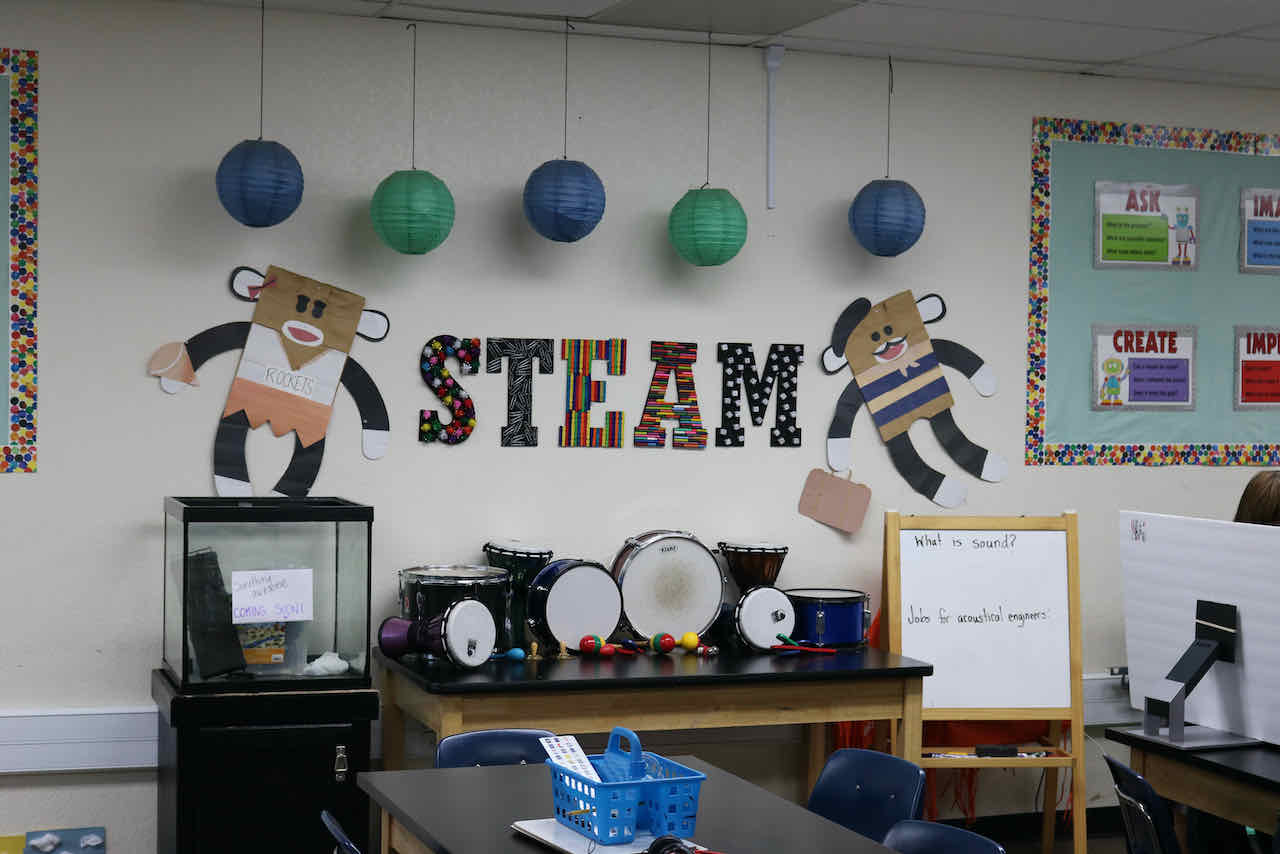
STEAM Lab at OCASA Elementary
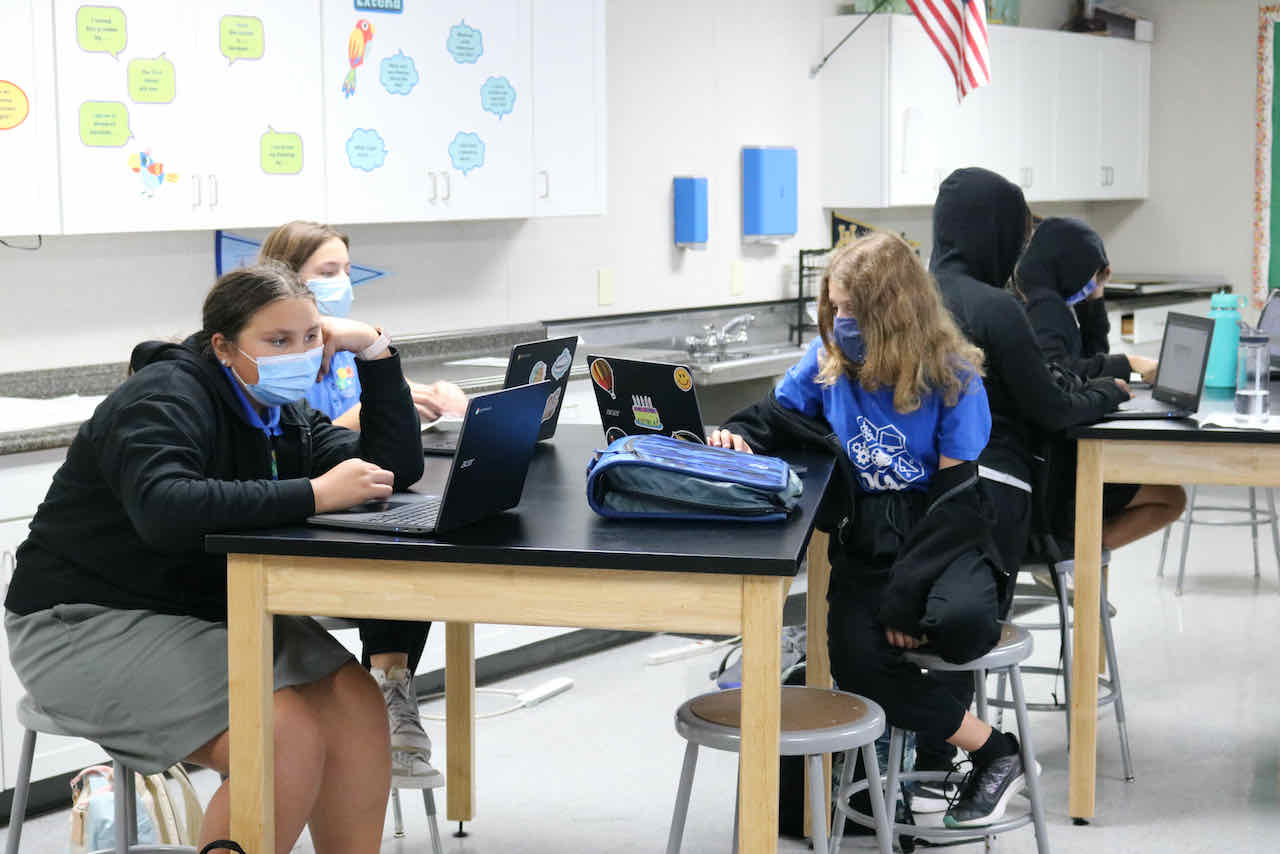
Self-Directed Learning at OCASA College Prep
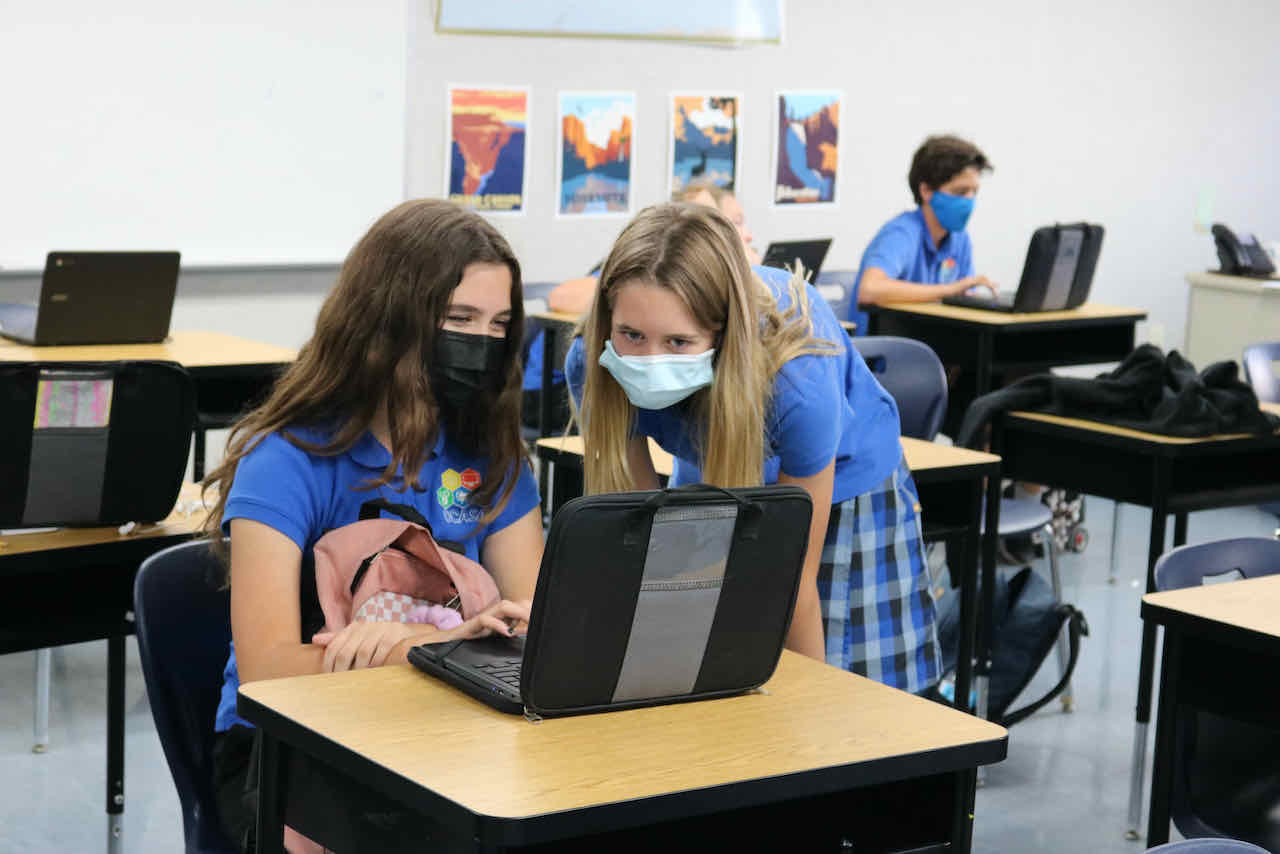
Student Collaboration at OCASA College Prep
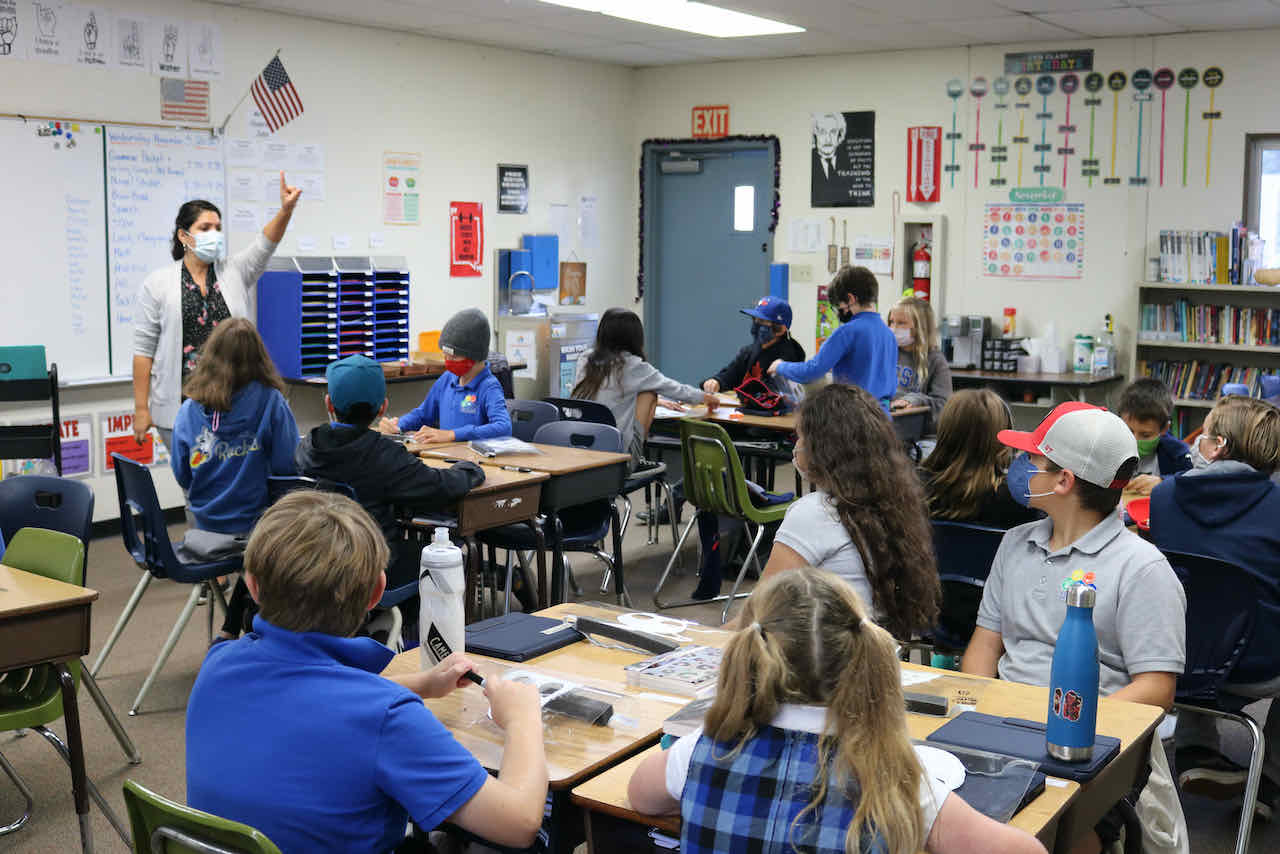
Spanish Class at OCASA Elementary
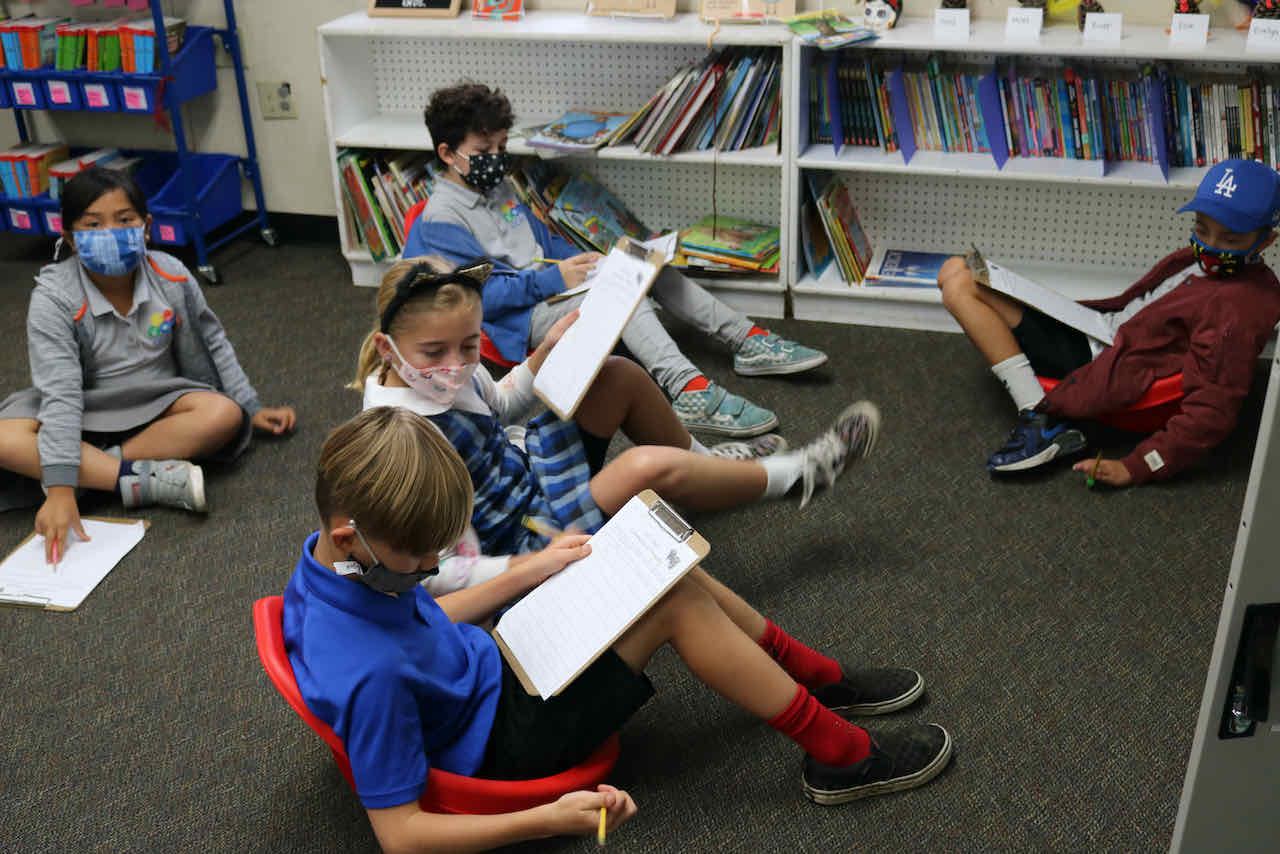
Flexible Seating at OCASA Elementary
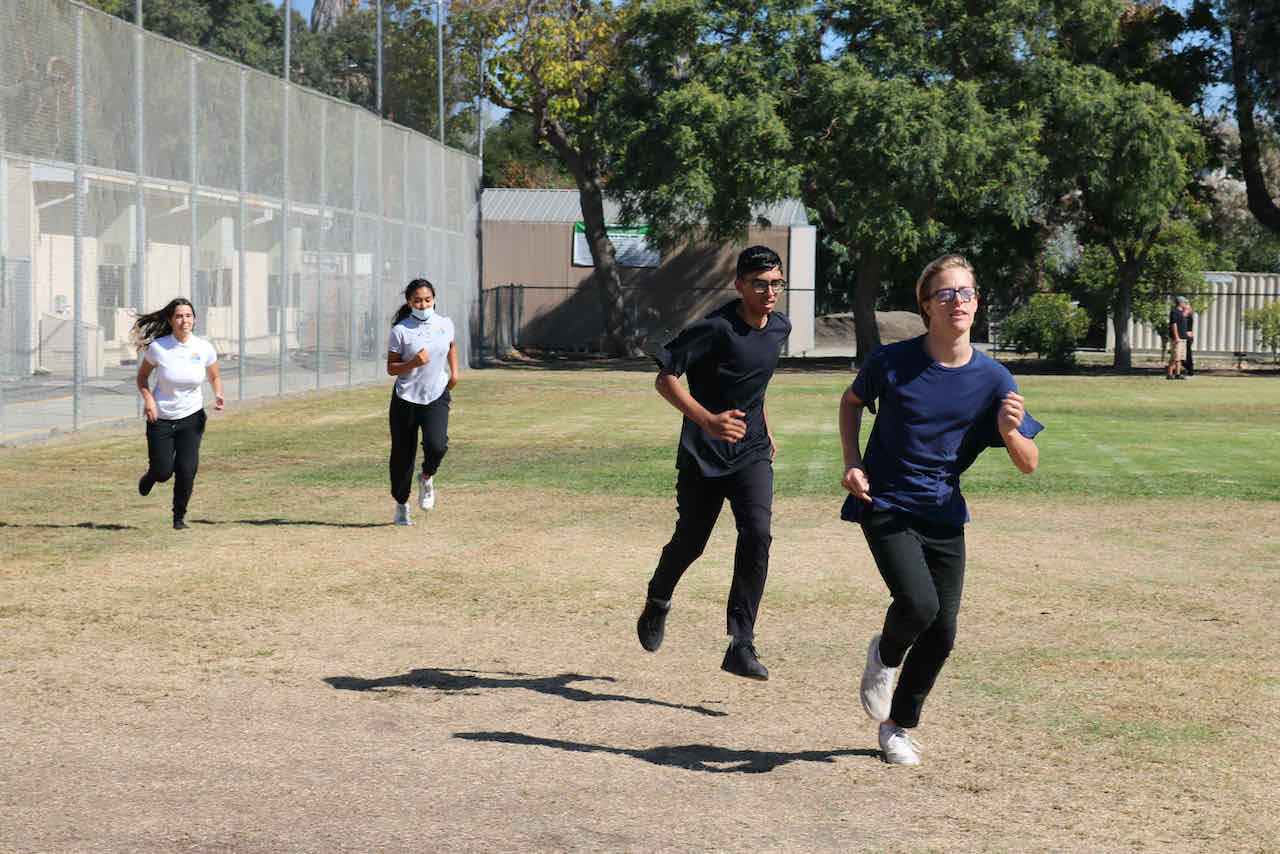
P.E. at OCASA College Prep

Stop Motion Animation at OCASA Elementary with Apple iPads
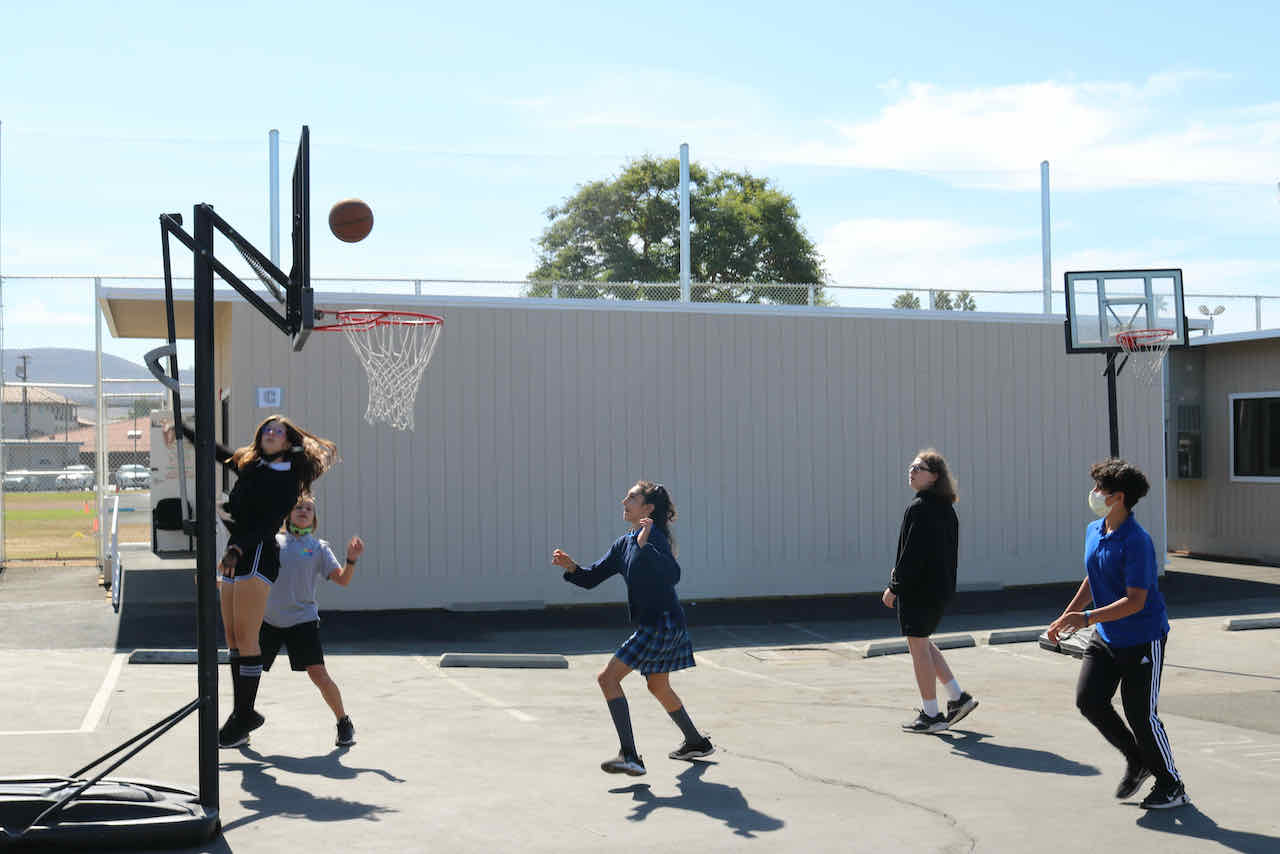
Lunchtime B-Ball at OCASA College Prep
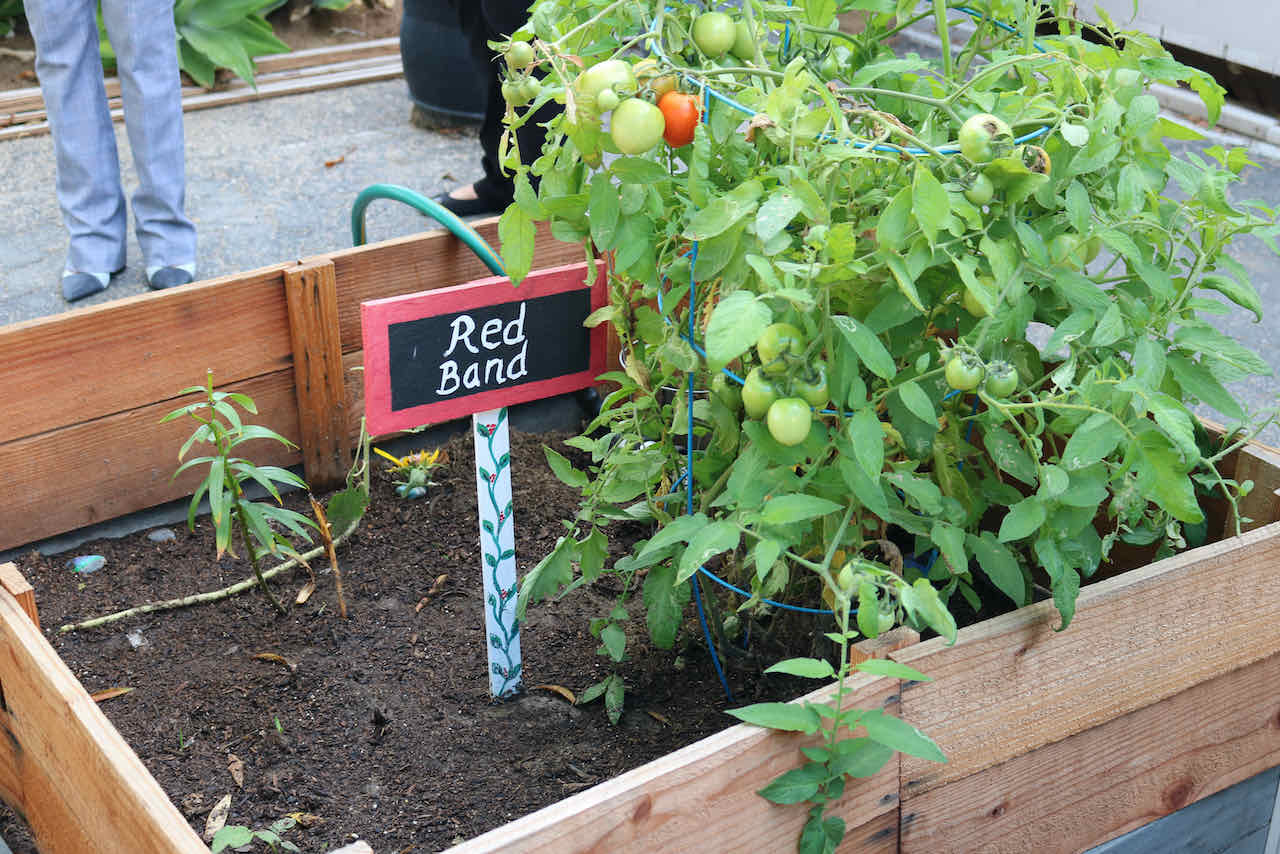
Red Band Garden at OCASA Elementary

Orange Band Intervention Group at OCASA Elementary
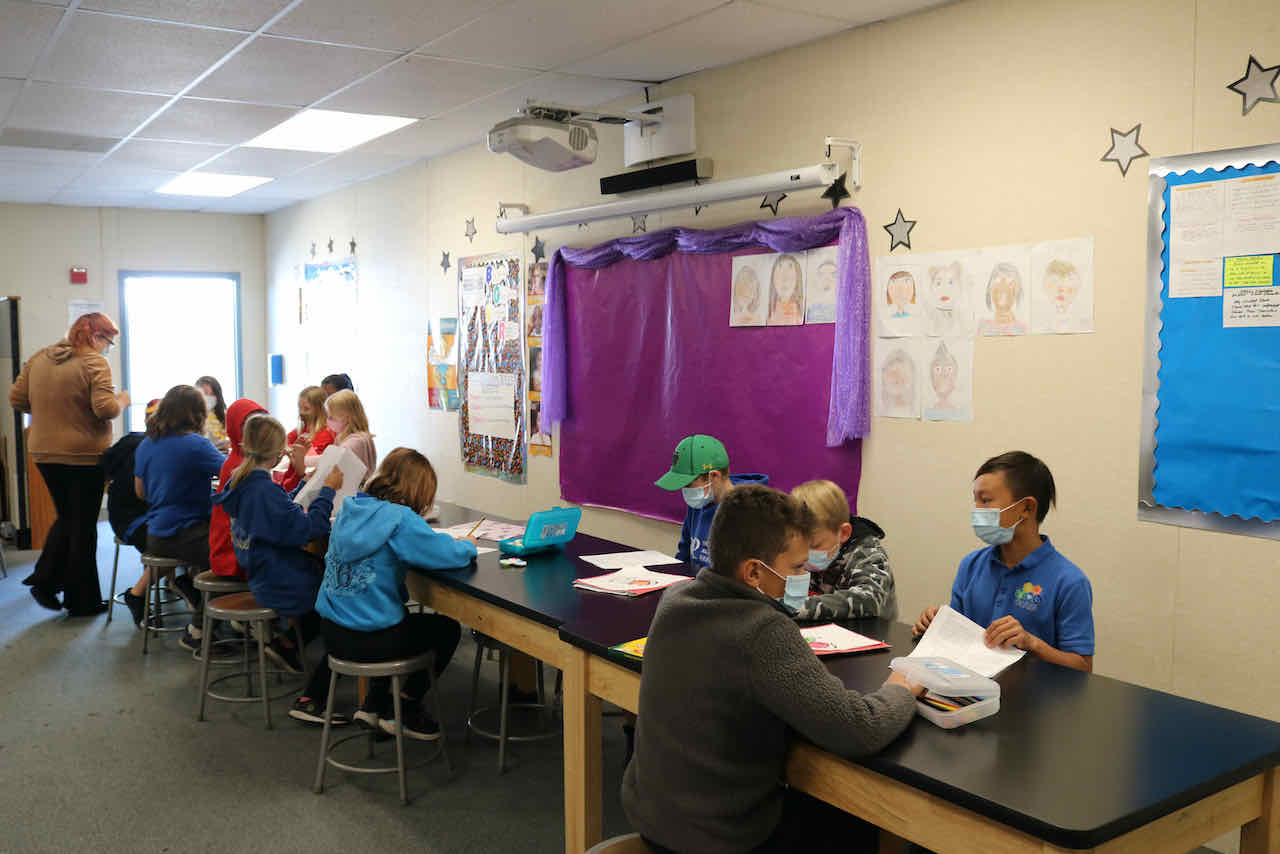
Drama Class at OCASA Elementary
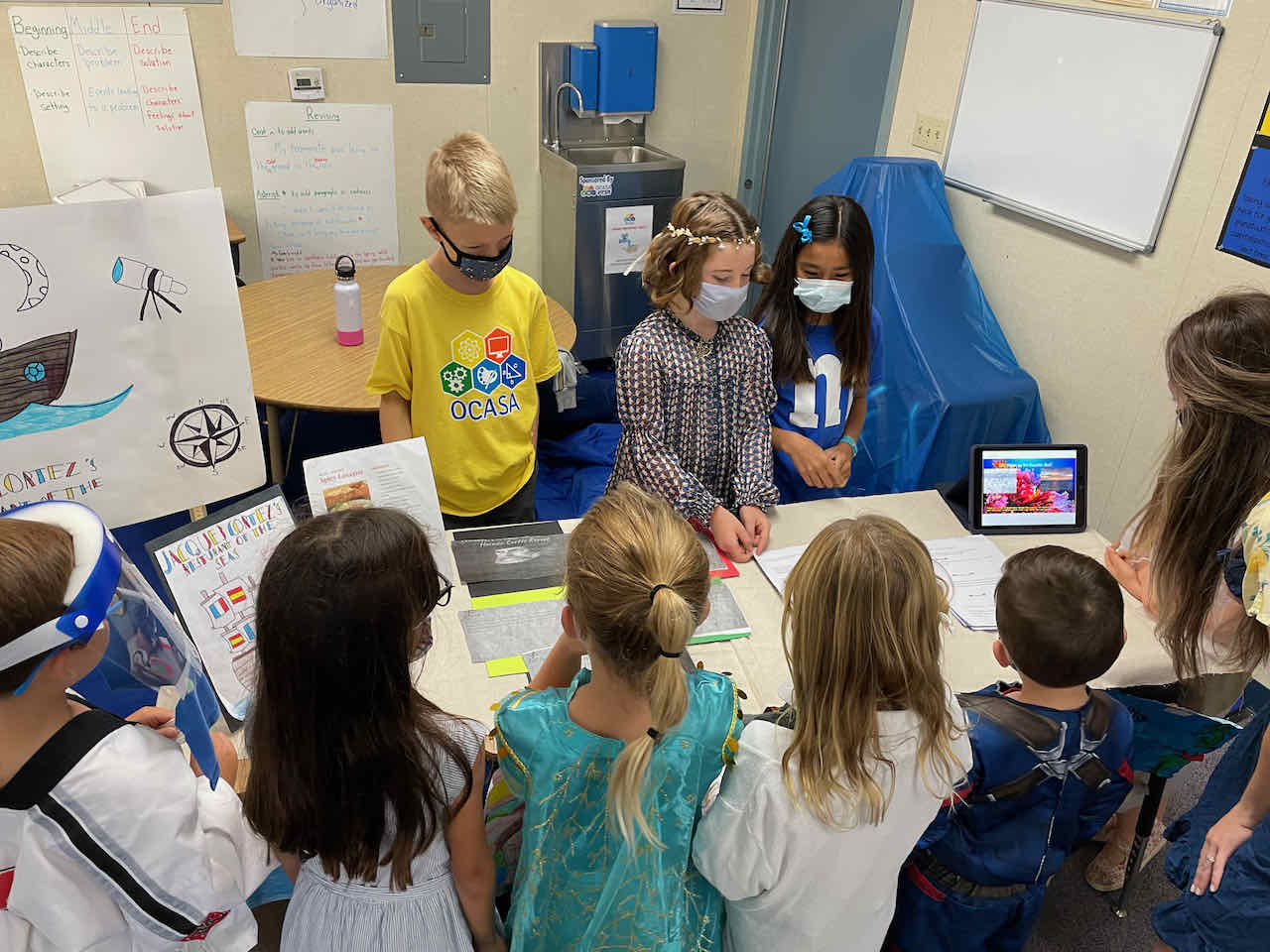
Yellow Band Arc Projects at OCASA Elementary
.png "OCASA Elementary (500 x 200 px)")

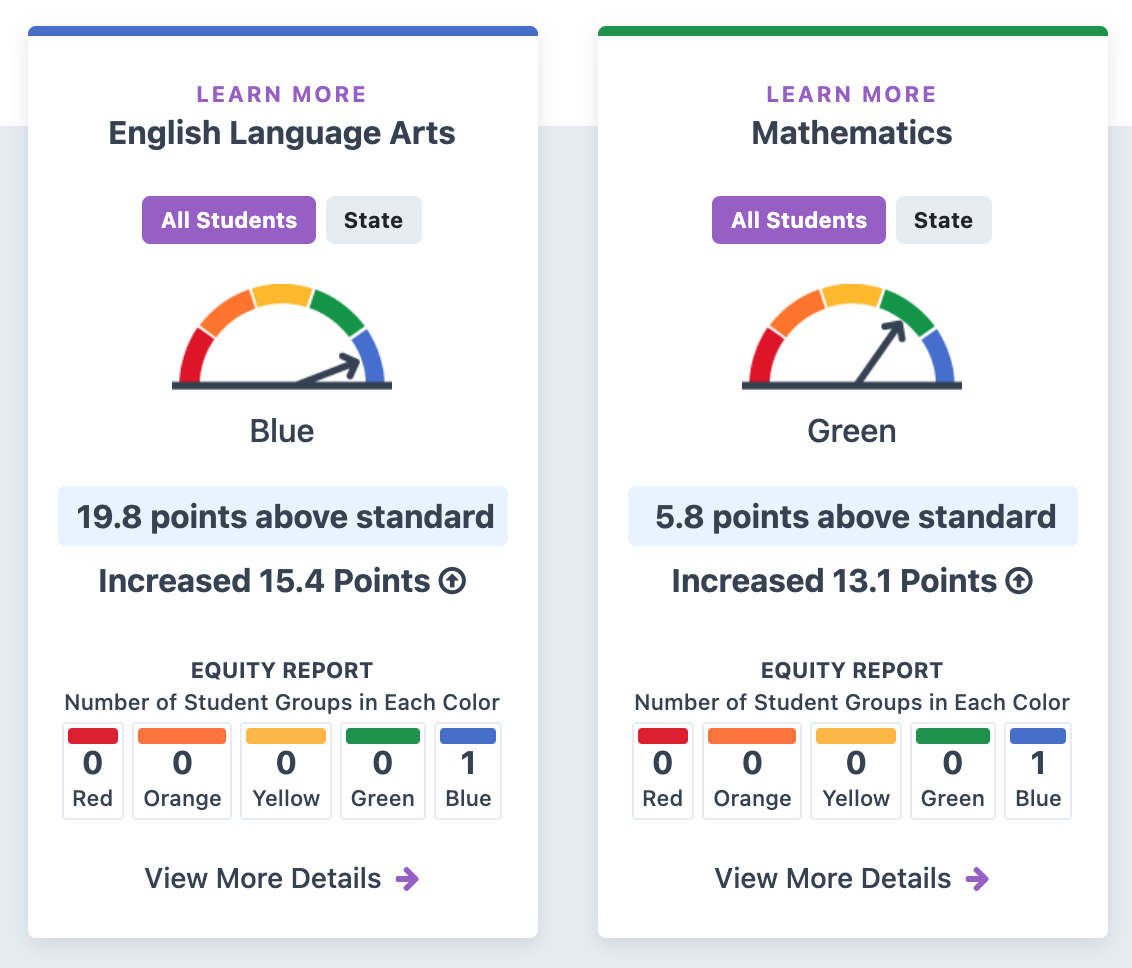
Top Academic Rankings on California School Dashboard
OCASA is Blue of Green on all Academic Indicators on the California School Dashboard
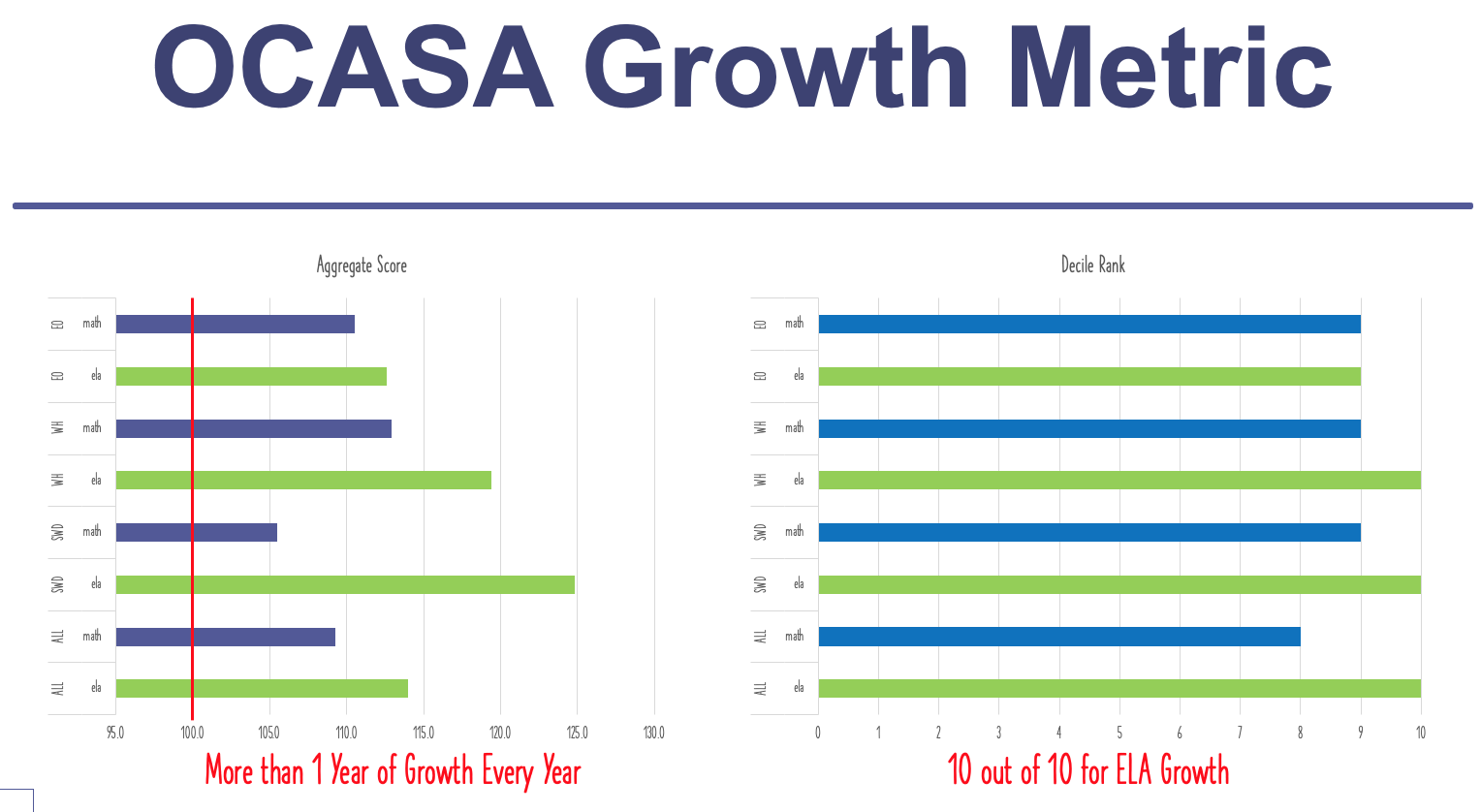
Ranked 10 out of 10 on California Growth Metric
In 2021, the California Department of Education released California's Student-Level Growth Model. This model is a way of measuring year-to-year student growth based on their CASPP scores in English language arts (ELA) and mathematics. OCASA Schools were designed to maximize individual student growth. While achievement shows us how much a student knows at a given time, growth shows the improvement in student scores from year to year.
The State of California Growth Model shows an aggregate score of 114.0 in ELA and 109.3 in Math for OCASA Charter. A growth score of 100 means that students made 1 year of growth. OCASA student growth clearly demonstrates high performance.
For ELA we have a 10/10 decile score and for Math, we have an 8/10 decile score. All subgroups have strong growth scores (range 93.9 to 124.8) and decile scores that are all 9 or 10.
Fully Accredited by the Western Association of Schools and Colleges
OCASA's Elementary School & OCASA College Prep are both Fully Accredited by the Western Association of Schools and Colleges.